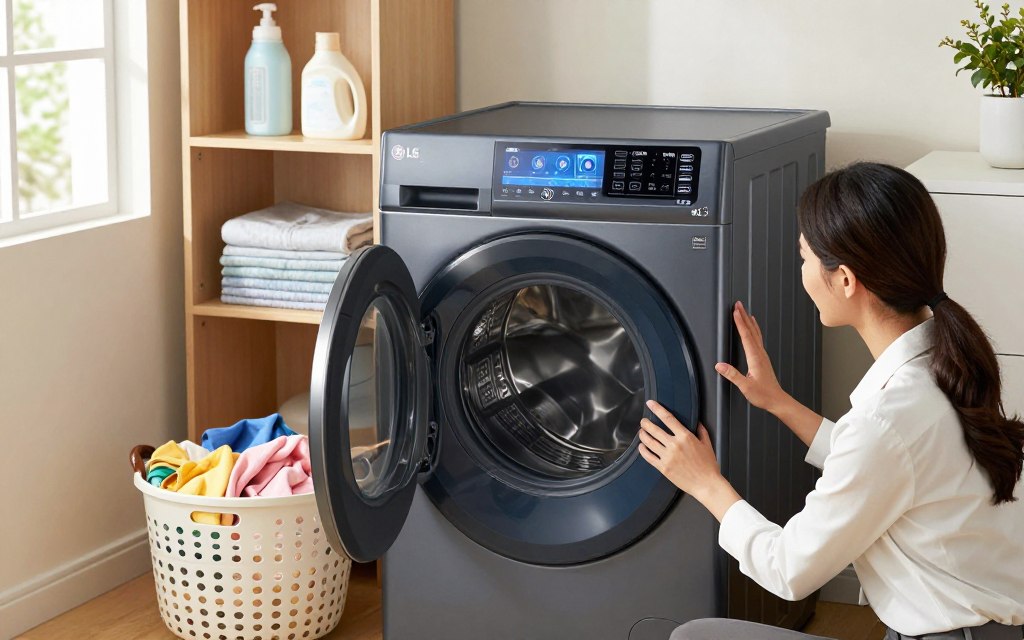

What is AI wash in LG washing machine technology? LG’s AI Wash feature changes how people do laundry. It studies load size and fabric type to create a more suitable washing cycle. Unlike traditional one-size-fits-all methods, it provides more tailored cleaning.
Sensors and intelligent algorithms help LG’s smart washing cycles optimize water use and drum movements. This intelligent laundry care gives clothes suitable care without unnecessary wear and tear. However, AI Wash cannot perfectly understand every garment; programmed data guides its cycle adjustments.
This article explains how LG AI Wash works, its benefits, and how to activate it. It also covers compatible models and common troubleshooting tips. For more details, visit this page.
Key Takeaways
- AI Wash adapts cycles based on load size and fabric type.
- Utilizes sensors for optimized water management.
- Offers enhanced fabric care compared to traditional cycles.
- Compatible with specific LG washing machine models.
- Step-by-step activation is straightforward and user-friendly.
What Is AI Wash in LG Washing Machines and How It Works
The LG washing machine AI cycle, called AI Wash, marks a major advance in laundry technology. Sensors assess each load and adjust the wash cycle to meet its specific needs. Unlike fixed traditional cycles, it uses real-time data to change its settings.
The machine checks load weight, fabric type, and water conditions. These automatic wash settings give garments tailored care. It changes drum motion, wash intensity, and cycle length for a personalized laundry cycle.
Defining the AI Wash Feature
AI Wash makes laundry care easier. Advanced algorithms read sensor data and match it with programmed care patterns. This AI-powered washing machine adjusts care for delicate blouses and heavy towels, improving cleaning efficiency while protecting fabrics.
How Artificial Intelligence Enhances Laundry Care
Artificial intelligence helps optimize laundry care. Its algorithms analyze data rather than copy human intelligence. AI Wash selects needed water and the best rinse behavior for each fabric type.
This reduces water waste and energy use, making laundry more eco-friendly.
“The integration of AI technology in washing machines is revolutionizing how we approach laundry.”
| Feature | Traditional Cycle | AI Wash Cycle |
|---|---|---|
| Load Weight Detection | No | Yes |
| Fabric Type Adjustment | No | Yes |
| Water Usage Optimization | Fixed | Dynamic |
| Cycle Duration Adjustment | Fixed | Dynamic |
The Evolution of Smart Washing Cycles in Modern Appliances
The evolution of washing machines shows how innovation and user-focused design changed laundry. Early models used mechanical dials, basic timers, and fixed temperature settings. Users had little control and chose from only a few preset cycles.
Electronic controls made washing machines more flexible. They added precise timing and several cycle options. Users could choose modes for fabric types and soil levels.
The arrival of sensors changed washing machines again. These systems monitor load balance, water levels, and other key operating conditions. A sensor-controlled washer can adjust its operation with greater accuracy.
Connected appliances later helped users automate many choices. Smart laundry appliances work with mobile apps for remote control and cycle customization. This evolution makes laundry more efficient and convenient.
From Mechanical Dials to Intelligent Sensors
Mechanical dials once required users to set each wash cycle by hand. Today, intelligent sensors have changed that process. They detect fabric types and adjust settings automatically.
This approach supports effective cleaning while reducing water and energy use.
LG’s Contribution to Smart Laundry Technology
LG has helped advance smart laundry technology. LG laundry technology combines motor control, sensing technology, and cycle programming. These features help create highly efficient washing machines.
LG innovations address practical problems, including unnecessary water use and rough fabric handling.
| Feature | Traditional Washers | Smart Washers |
|---|---|---|
| Control Type | Mechanical Dials | Touchscreen/Smartphone App |
| Cycle Options | Limited | Customizable |
| Sensor Technology | None | Advanced Sensors |
| Energy Efficiency | Standard | High |
| Water Usage | Fixed | Adaptive |
How AI Wash Detects Fabric Types and Load Weight
LG washing machines use AI Wash to recognize fabric types and assess load weight. This fabric detection in washing machines helps match each load with suitable care. Understanding the system can help users improve their laundry routines.
AI Wash includes fabric type recognition technology. It does not identify garments by brand or material name. Instead, sensors estimate fabric characteristics during the wash cycle.
At the start, the machine reads resistance, absorbency, and movement. Softer fabrics like silk may react differently from denim or towels. The control system then chooses drum movements for effective cleaning.
automatic fabric recognition uses programmed patterns and sensor data, not laboratory-grade analysis. Although advanced, the system cannot replace careful garment sorting. Users should still separate delicates and clothes with special care instructions.
LG washer load detection uses load sensing technology to measure the laundry’s starting weight. This measurement shows how the load fills the drum. Weight and volume affect water use, mechanical action, and cycle time.
For best results, place garments loosely in the drum and spread bulky items evenly. Do not overload the machine or pack small loads with too many heavy fabrics. These steps help the washer run efficiently and deliver better cleaning results.
Understanding fabric detection and load sensing helps users make informed laundry choices. For further insights into AI detection technology, explore this resource.
Key Sensors Behind LG’s AI Wash System
The advanced technology in LG’s AI Wash system relies on key sensors that improve laundry performance. LG washer sensors work together to tailor each wash and care for your clothes.
Turbidity Sensors and Water Quality Detection
Turbidity sensors are key parts of LG’s AI Wash system. They measure wash-water clarity to show whether it looks clean or cloudy. In a turbidity sensor washing machine, water quality detection finds suspended soil, detergent residue, and loosened particles.
By studying this data, the machine checks cleaning progress and manages rinsing and water use. If the water stays cloudy, the machine may run an extra rinse cycle. Yet this sensor may miss some stains, while still helping optimize washing.
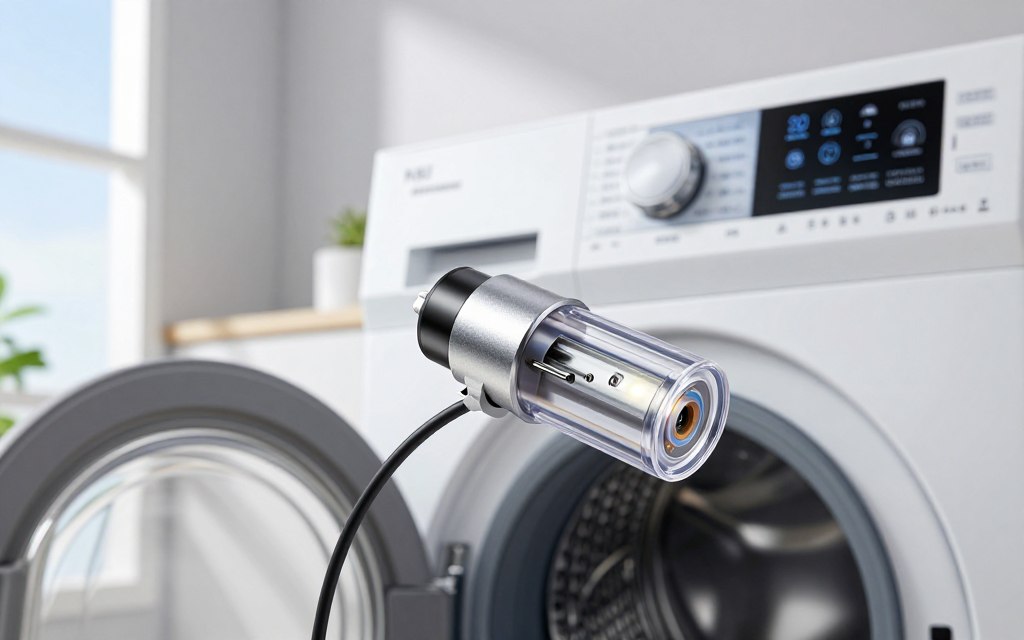
Drum Motion and Position Sensors
Drum motion sensing is another vital part of LG’s AI Wash system. These sensors track rotation speed, direction, resistance, vibration, and load distribution. This information helps the washer work efficiently and effectively.
The sensors adjust drum movement for each fabric type, reducing imbalance and improving spin performance. Aggressive motion may help sturdy items but harm delicate fabrics. Unbalanced loads can cause noise, vibration, or delayed spins, so keep the machine level and avoid overloading it.
These sensors improve cleaning and help garments last longer. As LG continues to innovate, these technologies will redefine how we approach laundry care.
AI Wash vs. Traditional Wash Cycles: Key Differences
Understanding AI Wash versus traditional cycles can improve your laundry experience. Both clean clothes, but they use different methods.
Traditional cycles use preset times, movement, temperatures, and water levels. AI Wash changes these settings as load conditions change, making laundry more efficient.
Wash Time, Temperature, and Energy Efficiency
AI Wash can help an energy-efficient washing machine optimize wash time and temperature. Traditional cycles use fixed settings, which can mean longer washes and higher energy use. For example, a standard cycle may run for 60 minutes, regardless of load size or fabric type.
AI Wash can shorten the cycle by checking fabric soil level and type. It can reduce energy use, heating, and movement without sacrificing cleanliness. This supports sustainable washing in homes that value energy-saving practices.
Detergent Usage and Water Consumption
AI Wash also stands out because its sensors determine the needed detergent amount. Traditional cycles require manual measurement, while high-efficiency LG washers typically recommend HE detergent. Too much detergent can cause excess suds and residue, while too little may reduce cleaning performance.
AI Wash adjusts water levels to the detected load size, making it a water-saving laundry cycle. Traditional cycles may use fixed water amounts, regardless of load, causing unnecessary waste. This comparison shows the benefits of AI Wash versus normal cycle settings for efficient, effective laundry care.
| Feature | AI Wash | Traditional Cycle |
|---|---|---|
| Wash Time | Variable, based on load | Fixed duration |
| Temperature Control | Adaptive | Preset |
| Energy Efficiency | High | Moderate |
| Detergent Usage | Auto-sensing | Manual measurement |
| Water Consumption | Adaptive | Fixed |
Step-by-Step Guide: How to Activate AI Wash on Your LG Machine
Learn how to activate AI Wash LG washer features with these steps. AI Wash adjusts settings for the load type and fabric care needs. Prepare your laundry first for the best results.
Preparing Your Laundry Load for AI Detection
Check each garment label before starting. Sort clothes by color and care needs before you start:
- Empty all pockets to avoid damage.
- Close zippers to prevent snagging.
- Avoid overloading the drum, as this can lead to imbalance.
Proper loading helps your washer detect the load correctly. These steps show how to use LG AI Wash for better cleaning and longer appliance life.
Selecting the AI Wash Cycle on the Control Panel
Find AI Wash on the control panel. Turn the cycle selector or tap the cycle on a touchscreen, based on your model. Confirm the detergent quantity, temperature, and spin speed, then close the door before pressing Start.
Your washer may sense the load briefly before the cycle starts. During this phase, it checks the load and adjusts the settings.
Customizing Settings Through the LG ThinQ App
To use LG ThinQ washing machine features, connect your appliance to a compatible home Wi-Fi network. Register it in the app, select your washer, and review the remote options. Some AI Wash settings may not change in the app, and remote use may need specific safety conditions.
For a smart washer setup, follow your model’s owner’s manual. It explains controls, app compatibility, firmware requirements, and regional restrictions.
Benefits of Using AI Wash for Different Laundry Types
AI Wash adapts to different fabrics and supports customized laundry performance. It offers tailored care for delicate items and heavy-duty laundry, improving the overall laundry experience.
When providing delicate fabric care, AI Wash uses gentler drum movements and controlled conditions, reducing stress on sensitive fabrics and keeping them intact and vibrant. However, AI Wash should not replace dedicated cycles for delicates, hand wash, or wool, especially when labels require specific care. For adaptive fabric care, use a mesh bag for small delicate items, avoid overcrowding, and choose suitable detergent.
For washing towels and denim, AI Wash adjusts cleaning for these dense, absorbent materials. They often need stronger movement and thorough rinsing. Sensor-guided cycles recognize that towels and denim differ from lighter clothing, then adjust the wash.
However, specialized cycles may work better for heavily stained workwear or bulky bedding.
AI Wash provides consistent handling and reduces guesswork, which may save water and time. Best results still require proper sorting, stain pretreatment, and the correct detergent dosage. Understanding its strengths helps you get more from AI Wash for every laundry need.
Compatible LG Washing Machine Models with AI Wash
Knowing which LG washers with AI Wash support this feature can improve your laundry experience. AI Wash does not appear on every LG washer model. It comes only with select machines, so shoppers must check compatible options.
When shopping, check models that include AI Wash technology. Below are front-load and top-load LG washers with this feature.
Front-Load LG Washers Featuring AI Wash
Many of the LG front-load washers with AI Wash sense loads, vary drum movement, and offer steam. An LG front-load washer offers high-efficiency operation and often supports the LG ThinQ app. Features may differ by model and market, so check each washer’s details.
Top-Load LG Washers Featuring AI Wash
Certain LG top-load washers offer AI-assisted cycles. An LG top-load washer may use an impeller or agitator design. Wash action and features depend on the model, so verify AI Wash compatibility.
To confirm a model includes AI Wash, you can:
- Search the official product page for specifications.
- Review the cycle list in the owner’s manual.
- Inspect the control panel for an AI Wash label.
- Confirm the complete model number.
Similar marketing terms may describe different functions. Distinguish AI Wash from AI DD, Smart Diagnosis, TurboWash, steam, and app connectivity. Availability may change, and regional versions may use different names or controls.
| Model Type | Features | AI Wash Compatibility |
|---|---|---|
| Front-Load Washer | Load Sensing, Steam Options | Yes |
| Top-Load Washer | Impeller Design, AI Cycles | Yes |
| Front-Load Washer | Variable Drum Movement, ThinQ | Yes |
| Top-Load Washer | Agitator Design, High Efficiency | Yes |
Troubleshooting Common AI Wash Issues
Despite its advanced design, AI Wash can have common problems that need attention. AI Wash not working can seem like a problem when the washer pauses during normal operation. These pauses may balance the load, measure conditions, fill with water, or adjust operation.
Understanding Error Codes and Cycle Interruptions
When you see LG washer error codes or a cycle interruption, use a step-by-step approach. First, record the code, then check your owner’s manual for guidance about it. Make sure the door is closed, inspect water supply valves, clean the drain filter, and rebalance the load.
Disconnect power only when the manufacturer’s instructions permit it. If problems continue, contact LG support or a qualified technician.
Resolving Connectivity Problems with LG ThinQ
Washing machine connectivity problems with LG ThinQ can have several causes. These include incorrect Wi-Fi passwords, unsupported network settings, weak signal strength, outdated app software, and disabled permissions. Connectivity may also fail when the washer sits too far from the router.
For LG ThinQ troubleshooting, restart the app, confirm pairing mode, and update software as needed. Follow LG’s current setup instructions to help resolve these problems. An app connection problem does not mean the washer’s basic cycles are unusable.
| Issue | Possible Cause | Solution |
|---|---|---|
| LG washer error codes | Malfunction or user error | Check manual and ensure door is closed |
| AI Wash not working | Load imbalance | Redistribute load and restart cycle |
| LG ThinQ troubleshooting | Weak Wi-Fi signal | Move washer closer to router |
| Washing machine connectivity problems | Incorrect settings | Verify network settings and app permissions |
Conclusion
AI Wash in LG washing machines marks a major advance in laundry technology. It uses sensors and algorithms to adjust washing conditions for each load, helping manage water and energy. The benefits of AI Wash include less guesswork, responsive fabric handling, load-based adjustments, and efficient laundry care.
AI Wash improves washing, but it cannot replace sorting laundry or reading care labels. Users should choose cycles based on fabric type and soil level. Functions may vary between LG front-load and top-load models, so check the model number and owner’s manual before activation.
This LG washer buying guide highlights a smart LG washing machine and its LG ThinQ app. The app offers additional connectivity options, but features may differ across models. Use AI Wash for everyday loads, monitor results, and choose cycles for delicate or heavily soiled items, supporting best care.


 By
By